Via the ReverseEngineering subreddit
I found that vim's built in
:X
encryption mode
can be pretty easily broken. I didn't know that vim had
anything built in to encrypt files, in hindsight I should have expected some
functionality.
Looking into the
vim documentation
on on Encryption shows that most of
these methods aren't recommended for use. It also looks really easy to
accidentally destroy a file using vim. If you do not decrypt the correctly you
get a vim buffer filed with encrypted noise, if you save that buffer you
destroy the original file.
I have been using
vimwiki
in a git repo since August last year. Vimwiki is
a really simple markdown style wiki, the features are really limited. There is
some markup, links and that is all. It has been filling all of my needs
perfectly. I would like to be able to encrypt the wiki files so I could have a
little more peace of mind, but with a little searching I haven't found anything
that has the utility I need.
I could write something myself that worked well with both git and vimwiki, but
I don't really want to subject my personal files to my own bugs. If you know of
a solution to encrypting files in git repo or integrating with vimwiki that
would be really helpful.
For some reason
I have been recording a lot of audio on my desktop
recently. I also saw a conversation in irc about how to simply record audio
from a microphone on FreeBSD.
I hoped I was going to find a super simple
OpenBSD style
solution to
capturing samples, but I wasn't able to dig anything out. I did play with cat
for a little while, but nothing useful came from it.
Audacity
is the tool I have been using to record long sessions the most.
Audacity is now probably the foss standard for doing audio editing/production
and it has been really stable for me. On FreeBSD it has been rock solid so far
if a little heavy weight.
ffmpeg
is an audio and video swiss army knife and can be used to capture
video from webcams and audio from capture devices. The only issue I have had
with ffmpeg on FreeBSD is that lame support is not built into the default
packages.
ffmpeg can be used to caputure audio from a source:
ffmpeg -f oss -i /dev/dsp -vn -ab 128k test.wav
Sox
is the ultimate tool for handling audio, a long with the two front
ends play and rec you can do most operations on an audio stream. Sox can built
with codec support for a ton of formats. It is quite simple to use sox to
convert different bit formats of sdr capture files with sox.
Rec can be used to caputure audio from a source:
rec -c 2 test.wav
Yakamo
and I have started a
podcast
, the
first episode
was
released yesterday. The website is still very simple and I don't think there is
an rss feed setup yet. But, we have managed to put out the first episode and
the second episode is lined up to be released on Monday.
Give it a listen if you like podcasts, any feed back should be directed to
stuff@yakamo.org or /dev/null. Thats where I send your emails anyway.
Great news today about
David Miranda's Case
, but I can't help but feel
down with the direction of the country. I can see British law being deemed
incompatible with the ECHR being used to strengthen arguments against being a
signatory to ECHR and part of the EU.
At home we have
GCHQ dismantling secure communications
at every turn. The
low price of oil is causing a down turn up here and it doesn't look like there
is bright future. Sometimes it is hard to stay positive when you let the real
world seep in.
While I sit numbly at my desk I like to restlessly fumble with anything at
hand. This week it has been
this awesome mind bending deck of cards
. I
have already had many visitors complain my cards are misprinted and hurt their
head, this real world glitch is doing well. The
glitch_art sub reddit
contains many more examples of images like these. None quite as satisfying as
holding these 'broken' playing cards.

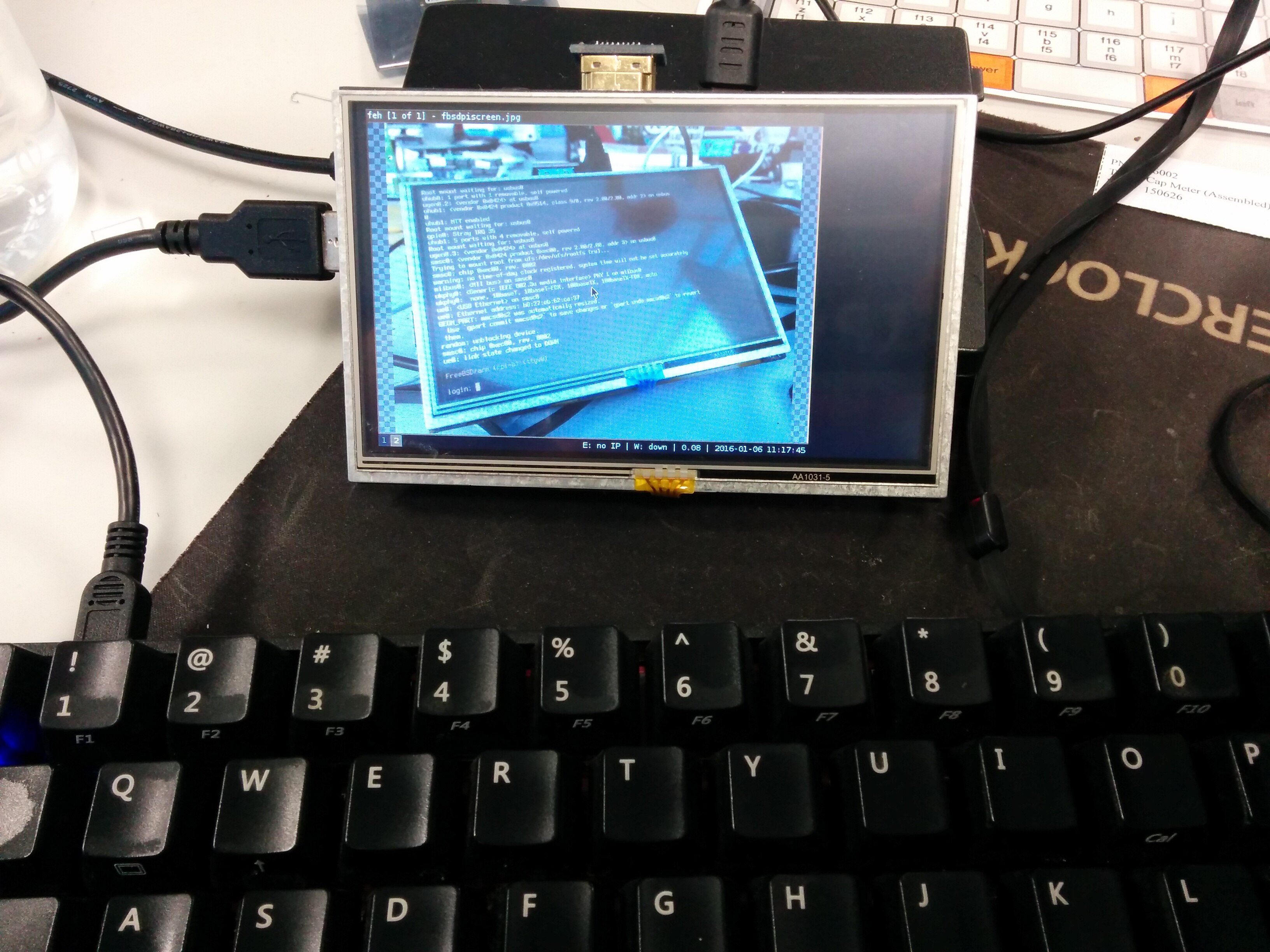
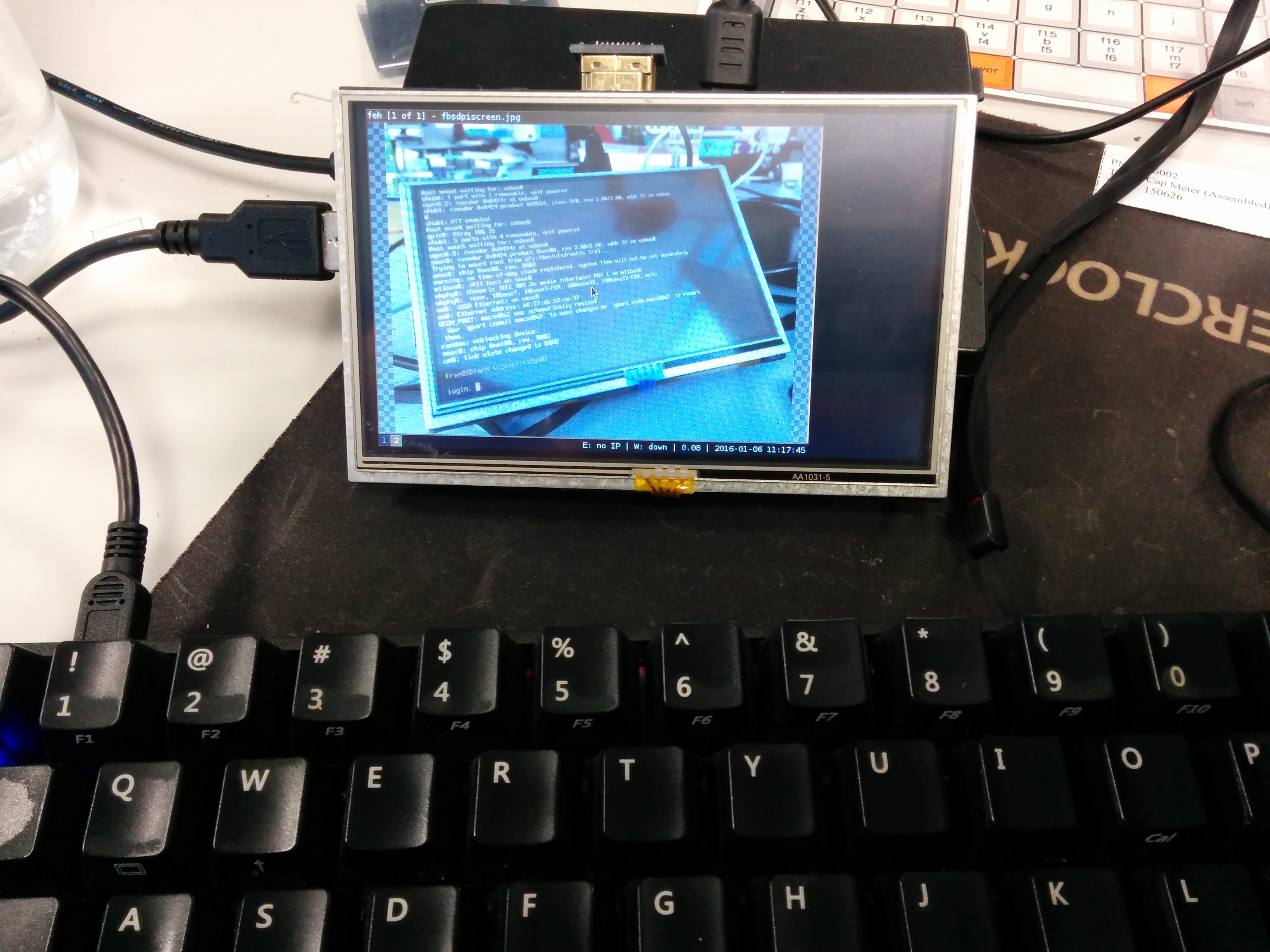
The
Raspberry Pi page on the FreeBSD Wiki
links to
a blogpost
about
setting up xorg on the Pi. That post was written back in 2013 and most of the
information there seems to be out of date.
I set up X on a Pi at the end of December 2015, this information is up to date
for r292413. pkg is now available on arm images so there is no need to build
everything from ports, considering tools like tmux could take 6 hours to build
on the pi itself this is a huge improvement. I installed the following packages
to get X up and running on the Pi:
# pkg install xorg xf86-video-scfb i3
The Pi isn't able to auto detect the X configuration, I looked for a while for
a config that would work. Eventually I dug the following one from a mailing
list post. Place the following into /etc/xorg.conf:
Section "Device"
    Identifier "Generic FB"
    Driver "scfb"
EndSection

Section "Screen"
    Identifier "Screen"
    Device "Generic FB"
    Monitor "Monitor"
    SubSection "Display"
        Depth 16 #24 32
    EndSubsection
EndSection
With a minimal .xinitrc I was then able to start an X server with i3:
exec i3